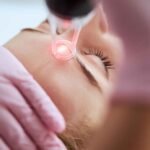
Learn how to prevent hyperpigmentation during laser hair removal with expert care and the right technology.
Laser hair removal can be a liberating experience, freeing you from the constant cycle of shaving, waxing, and plucking. But as life-changing as it can be, it’s not a one-size-fits-all solution. Using the wrong laser or settings for your skin type can lead to side effects like hyperpigmentation, which is why choosing the right provider is crucial.
Older or less advanced laser technologies and insufficient skin assessments are often the culprits behind unwanted pigmentation changes. That’s why it’s vital to look for a clinic that combines cutting-edge technology with expertise in tailoring treatments for every individual.
How Laser Hair Removal Affects Your Skin
Laser hair removal works by emitting light absorbed by the melanin in your hair. This light energy transforms into heat, disabling the follicle and interrupting the hair’s growth cycle.
Since hair follicles sit within the dermis (the layer beneath the epidermis), the laser’s heat must pass through your epidermis. In some cases, this can impact melanocytes — the cells that produce pigment — leading to hyperpigmentation or darkening of the skin in the treated area.
Are You at Risk of Hyperpigmentation?
Your skin’s response depends in part on its natural tone. Dermatologists use the Fitzpatrick skin type scale to classify how skin reacts to UV light:
- Type I: Very pale, burns easily, never tans.
- Type II: Fair, burns easily, tans minimally.
- Type III: Light-coloured, occasionally burns, tans well.
- Type IV: Olive or light brown, burns minimally, tans easily.
- Type V: Dark brown, rarely burns, tans intensely.
- Type VI: Deeply pigmented, never burns, tans very darkly.
Those with Fitzpatrick types V and VI are at higher risk of hyperpigmentation, but this can be managed with the right technology and technique.
What Is Hyperpigmentation?
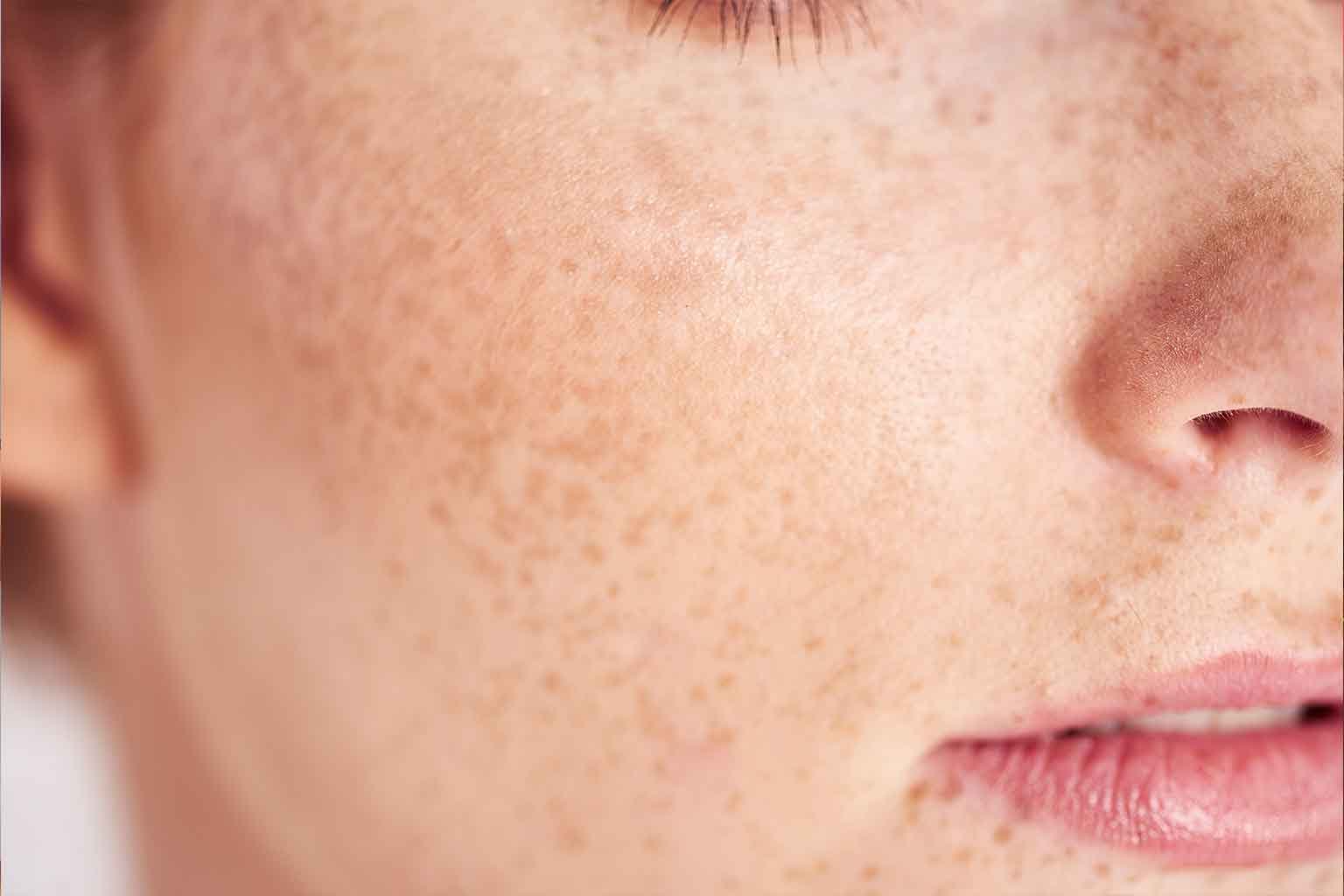
Hyperpigmentation refers to areas of skin becoming darker due to an overproduction of melanin. It can appear in several forms:
- Melasma: Often on the face, linked to sun exposure and hormones, common in women with medium to darker skin tones.
- Post-inflammatory hyperpigmentation (PIH): Common in darker skin types, developing after acne, injury, or irritation.
- Solar lentigines: Also known as sunspots or age spots, these dark patches result from prolonged sun exposure and are more common with age.
Understanding your skin’s tendencies helps you avoid issues and enjoy laser hair removal with confidence.
Top Tips for Minimising Risk
Here’s how to reduce your chances of developing hyperpigmentation and get the most out of laser hair removal:
Choose the Right Laser Technology
Laser devices are not all created equal, and using the wrong one can cause pigmentation changes.
- Alexandrite Laser: Best for fairer skin tones with shorter wavelengths.
- Nd:YAG Laser: With longer wavelengths, safer and more effective for darker skin tones.
Pulse settings are equally important — longer pulses reduce the risk of pigmentation in darker skin.
Select an Expert Provider
The skill of your practitioner matters as much as the machine. Experienced professionals consider your skin tone and type, tailoring the approach to maximise results while minimising risk.
Prep Your Skin Like a Pro
Preparing your skin before treatment ensures the best outcomes:
- Avoid sun exposure — tanned or sun-damaged skin raises the risk of pigmentation.
- Pause harsh exfoliants or retinoids in the weeks before your appointment.
Aftercare for Flawless Results
Shield Your Skin from the Sun
Sun protection is essential. Use a high-SPF sunscreen daily to protect treated skin and prevent pigmentation from UV rays.
Keep Your Skincare Routine Gentle
Stick to fragrance-free, soothing products. Aloe vera or cooling gels help calm any redness or sensitivity. Avoid exfoliating products or anything that might irritate while your skin heals.
Skip Heat and Friction
Your treated areas may feel sensitive for a few days, so avoid intense workouts, hot showers, and tight clothing that can rub the skin.
Alternatives for High-Risk Skin
If you’re concerned about pigmentation, ask for a patch test. Your practitioner can test a small area first to ensure it’s safe for your skin.
For those with higher-risk tones, options like waxing, shaving, or electrolysis may be better alternatives. Your provider may also suggest depigmenting products to help lighten dark spots while allowing you to safely undergo laser treatments.
Your Guide to a Seamless Experience
If you’ve hesitated to try laser hair removal because of pigmentation concerns, rest assured it can be done safely. Follow these steps:
- Choose a clinic with advanced, inclusive laser systems.
- Work with practitioners experienced in treating diverse skin tones.
- Follow aftercare carefully to protect and nourish your skin.
With the right care, you can look forward to long-lasting smoothness and confidence, knowing your skin has been treated safely and professionally.
Ready to start your laser hair removal journey? Book a consultation today to explore options tailored to your skin type and needs.